29 November 1499
Edward Plantagenet’s Execution
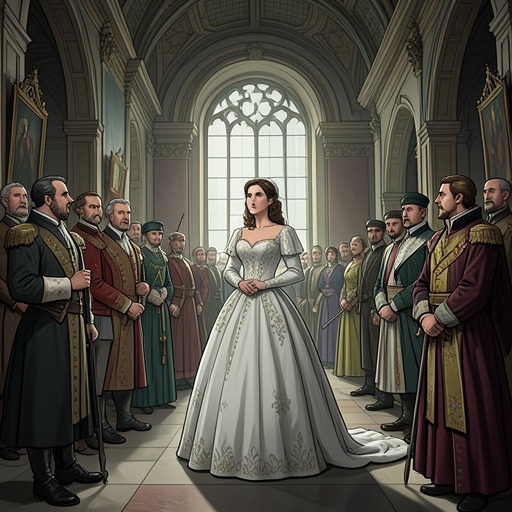
[Margaret Pole](entity:character-recall-character-margaret-pole-778f72fcfe96) wakes believing herself innocent, then remembers that her brother, [Edward Plantagenet](entity:character-recall-character-edward-plantagenet-78cdcc3d7a2d), has been beheaded. His royal name made him a living threat to [Henry VII](entity:character-recall-character-henry-vii-e8c73a9c84ea), although he had spent years imprisoned and had never raised a rebellion. Margaret’s husband, [Richard Pole](entity:character-recall-character-richard-pole-16b9d05f7894), urges her to hide her grief because [the court](entity:organization-recall-organization-f40150193ef8) will not welcome it.
The execution severs Margaret from the identity she once carried proudly. Married into obscurity, she has learned to survive by concealing her Plantagenet birth, but her brother’s death makes clear that marriage cannot erase the danger of their bloodline.
Winter 1499–1500
The Queens’ Curse
[Elizabeth of York](entity:character-recall-character-elizabeth-of-york-cf73e90f5f95) tells Margaret that she and her mother, [Elizabeth Woodville](entity:character-recall-character-elizabeth-woodville-cb72049c9513), once cursed whoever had taken the princes from the Tower: the murderer’s son should die young, and so should his grandson. Elizabeth fears that the curse may strike her own son, [Arthur Tudor](entity:character-recall-character-arthur-tudor-c68432fb7105), if [Henry VII](entity:character-recall-character-henry-vii-e8c73a9c84ea) ordered the princes’ deaths.
Margaret tries to reassure her that the deaths of [Richard III](entity:character-recall-character-richard-iii-164fc05bb39c) and his son may have fulfilled the curse, but privately recognizes the danger of accusing the king and his mother. The women’s secret fear becomes a framework through which Margaret will interpret the Tudor family’s later losses.
Spring 1500
Margaret Leaves for Ludlow
During her pregnancy, Margaret leaves Stourton to enter confinement while [Richard Pole](entity:character-recall-character-richard-pole-16b9d05f7894) escorts the young [Arthur Tudor](entity:character-recall-character-arthur-tudor-c68432fb7105) to [Ludlow Castle](entity:location-recall-location-ludlow-castle-a51237e81aa4). Elizabeth asks Margaret to protect her son and keep him safe from the curse she fears has fallen on the Tudor line.
Margaret has to divide her attention between her children and her duties as guardian’s wife. Her position at Ludlow draws her back into royal life, even as she tries to preserve the quiet obscurity that has kept her family from attracting suspicion.
Spring 1502
Katherine Arrives at Ludlow
Margaret returns to Ludlow after illness has passed through her household and meets [Katherine of Aragon](entity:character-recall-character-katherine-of-aragon-4793debf8c17), the young bride of [Arthur Tudor](entity:character-recall-character-arthur-tudor-c68432fb7105). Katherine apologizes for [Edward Plantagenet](entity:character-recall-character-edward-plantagenet-78cdcc3d7a2d)’s death, knowing that her arrival in [England](entity:location-recall-location-england-b153c1f368ea) had depended on his execution. Margaret, wounded by the memory, tells her the deaths were not Katherine’s fault.
The two women form a close bond. Katherine misses [Spain](entity:location-recall-location-0fe76f866976) and her mother, while Margaret understands what it means to lose a former life and live under the expectations of a royal court. They share hopes for Arthur’s future and discuss the marriage’s consummation, a private question that will later become politically decisive.
April 1502
Arthur Tudor’s Death
[Arthur Tudor](entity:character-recall-character-arthur-tudor-c68432fb7105) falls gravely ill at Ludlow, and Margaret recognizes the symptoms of the sweating sickness. Katherine is kept at a distance until she is allowed to see her husband. Arthur tells her he loves her and makes her promise something that Margaret does not hear.
Despite every remedy the household can devise, Arthur dies. Margaret writes to [Elizabeth of York](entity:character-recall-character-elizabeth-of-york-cf73e90f5f95), grieving both as guardian and as a woman who loved the boy from infancy. His death removes [Henry VII](entity:character-recall-character-henry-vii-e8c73a9c84ea)’s eldest son and leaves Katherine a young widow without an heir.
Summer 1502
Katherine’s New Promise
As Margaret escorts Katherine toward [London](entity:location-recall-location-london-420923d4a60a), she explains that without a son Katherine’s position as Princess of [Wales](entity:location-recall-location-6d9a7b286e78) is over and Henry Tudor will inherit the future. Katherine reveals that Arthur asked her to keep serving [England](entity:location-recall-location-england-b153c1f368ea) and to marry his younger brother, Prince Harry, so she could become queen and carry on their shared plans.
Margaret initially warns that Henry’s family may choose another bride and that Katherine risks shame by claiming her first marriage was never consummated. She ultimately agrees to remain silent and support Katherine, binding herself to a secret that will return decades later as a matter of dynastic legitimacy.
1503
Margaret Refuses to Testify
Margaret’s loyalty to Katherine draws the attention of [Margaret Beaufort](entity:character-recall-character-margaret-beaufort-3f0e598ca145), who questions her about whether Arthur and Katherine were truly husband and wife. Beaufort wants a statement that will prevent Katherine from marrying Prince Harry, since [Henry VII](entity:character-recall-character-henry-vii-e8c73a9c84ea) now hopes to marry Katherine himself and retain her dowry.
Margaret refuses to claim knowledge she does not have and says she believes Katherine’s account. Beaufort withdraws the offer of court favor and warns that Margaret will pay for her refusal. The confrontation exposes the political price of Margaret’s promise and deepens the hostility between her and the king’s mother.
February 1503
Elizabeth of York Dies
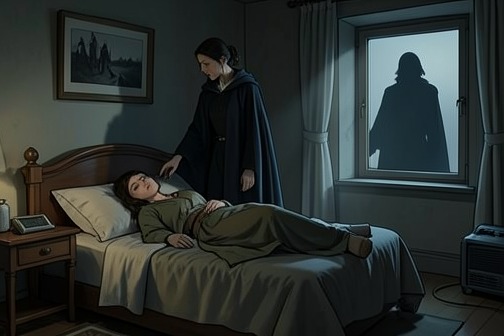
[Elizabeth of York](entity:character-recall-character-elizabeth-of-york-cf73e90f5f95) dies after giving birth to a daughter who also dies. Margaret mourns her cousin and closest friend, remembering the protection Elizabeth once offered her and [Edward Plantagenet](entity:character-recall-character-edward-plantagenet-78cdcc3d7a2d) after the Tudor victory. [Henry VII](entity:character-recall-character-henry-vii-e8c73a9c84ea) withdraws into grief, while his mother [Margaret Beaufort](entity:character-recall-character-margaret-beaufort-3f0e598ca145) resumes control of [the court](entity:organization-recall-organization-f40150193ef8).
Elizabeth’s death leaves Henry’s surviving children without their mother and removes a stabilizing influence on the young Prince Harry. Margaret’s grief is personal and political: the [York](entity:location-recall-location-york-6b9d2a502b1a) princess who had married the Tudor king is gone, while the fragile succession and the old family rivalries remain.
Autumn 1501–1504
Edmund de la Pole Flees
Margaret learned that her cousin [Edmund de la Pole](entity:character-recall-character-edmund-de-la-pole-7d0d570904d1) had fled to [the court](entity:organization-recall-organization-f40150193ef8) of [Maximilian I](entity:character-recall-character-maximilian-i-8917b8e1fd40), seeking support to oppose [Henry VII](entity:character-recall-character-henry-vii-e8c73a9c84ea). The web of relationships between the [House of Plantagenet](entity:organization-recall-organization-c0d6b771e147)'s relatives in the court became a dangerous source. Margaret was repeatedly forced to swear oaths, claiming she knew
Autumn 1504
Margaret Loses Her Husband
While Margaret is confined for another birth, [Richard Pole](entity:character-recall-character-richard-pole-16b9d05f7894) falls ill and dies. She is left with five young children, an estate burdened by royal wardship, and only a small widow’s income. [Henry VII](entity:character-recall-character-henry-vii-e8c73a9c84ea) sends limited funeral money and permits a loan against her son’s estate, but the family’s finances remain precarious.
Margaret remembers Richard as a loyal, kind husband who had shielded her from public life. His name has concealed her Plantagenet identity, but his death leaves her exposed to poverty and dependence on [the court](entity:organization-recall-organization-f40150193ef8) that had deliberately diminished her.
1505–1506
The Family Is Scattered
Unable to support all her children, Margaret dismisses servants, sells her husband’s warhorse, and tries to extract more income from her tenants. When even these measures fail, she sends her older sons Henry and Arthur to [George Neville](entity:character-recall-character-george-neville-477ee79ae531) and places the lively young Reginald with the Carthusians at [Sheen Priory](entity:location-recall-location-sheen-priory-27b8c187e4f7).
Reginald pleads not to be left in the silent religious house, but Margaret believes she has no other way to provide for him. She moves with Ursula and Geoffrey to [Syon Abbey](entity:location-recall-location-syon-abbey-37132c4a9c6e). The separation gives the children shelter but marks a lasting wound in Margaret’s relationship with Reginald.
April 1509
Henry VII Dies
After years of fear and surveillance, [Henry VII](entity:character-recall-character-henry-vii-e8c73a9c84ea) dies. The news reaches Margaret at [Syon Abbey](entity:location-recall-location-syon-abbey-37132c4a9c6e), where a porteress announces that the young [Henry VIII](entity:character-recall-character-henry-viii-bebc59c40e44) has taken the throne and dismissed his father’s spies. [London](entity:location-recall-location-london-420923d4a60a) celebrates the end of the old king’s rule.
[Katherine of Aragon](entity:character-recall-character-katherine-of-aragon-4793debf8c17) sends for Margaret and restores her to court as her first lady-in-waiting. Margaret cautiously leaves her children at Syon until she is sure the new reign is safe. The accession briefly appears to end the danger that has defined her adulthood.
1509
Margaret Returns to Court
[Henry VIII](entity:character-recall-character-henry-viii-bebc59c40e44) quickly marries [Katherine of Aragon](entity:character-recall-character-katherine-of-aragon-4793debf8c17), fulfilling the match that [Henry VII](entity:character-recall-character-henry-vii-e8c73a9c84ea) had delayed. Margaret returns to the royal household, receives a pension, settles her debts, and brings her sons into the king’s service. The young king treats her as a beloved kinswoman and seeks her stories of his mother, [Elizabeth of York](entity:character-recall-character-elizabeth-of-york-cf73e90f5f95).
The restoration feels like a return to Margaret’s rightful place, though she knows her security depends on royal favor. She declines [William Compton](entity:character-recall-character-ed9c96fed72d)’s marriage proposal, choosing not to exchange her recovered name and prospects for another husband’s protection.
1510–1511
The First Tudor Heir Dies
Katherine miscarries, but a physician falsely assures [Henry VIII](entity:character-recall-character-henry-viii-bebc59c40e44) that she still carries a surviving twin. Henry publicly celebrates the imagined heir until the expected birth passes and the pregnancy proves empty. The deception teaches Margaret how much the king needs good news and how reluctant his court is to correct him.
Katherine later gives birth to a healthy boy, Henry, Duke of Cornwall, and Margaret is appointed his governess. The child dies in his cradle only days after the jubilant celebrations. Margaret tells Katherine the truth and watches the queen sink into grief, while Henry cannot bear to discuss the loss.
1512
Margaret Regains Her Inheritance
With [Henry VIII](entity:character-recall-character-henry-viii-bebc59c40e44)’s encouragement, Margaret petitions for the lands and title stripped from her family after [Edward Plantagenet](entity:character-recall-character-edward-plantagenet-78cdcc3d7a2d)’s execution. The king restores her estates and makes her Countess of Salisbury in her own right. Margaret reunites with her sons, who have grown up in her absence, and establishes a grand household at [L’Erber](entity:location-recall-location-l-erber-cc2a19426e34) and [Warblington Castle](entity:location-recall-location-warblington-castle-8b68722194aa).
Her restoration transforms the family from impoverished dependents into one of [England](entity:location-recall-location-england-b153c1f368ea)’s wealthiest houses. Margaret proclaims her family’s honor through its arms and lands, but her sons’ renewed prominence also makes their royal blood more visible and politically dangerous.
1512–1513
Margaret’s Sons Enter Court Life
Margaret’s sons return to royal service: [Arthur Pole](entity:character-recall-character-bfefc7d5d587) becomes a celebrated jouster, [Montague](entity:character-recall-character-montague-f4a287d74fd0) rises in the king’s household, and [Reginald Pole](entity:character-recall-character-reginald-pole-2c70af5476aa) studies at [Oxford](entity:location-recall-location-b9ad172b45f4) after years with the Carthusians. Reginald resists taking religious vows without a genuine calling, despite Margaret’s expectation that he will advance through the Church.
The family’s success brings them close to [Henry VIII](entity:character-recall-character-henry-viii-bebc59c40e44), but Margaret recognizes that court favor can shift quickly. She encourages her sons to serve the king while urging them not to become so prominent that they provoke his envy or suspicion.
June 1513
Edmund de la Pole Is Executed
As [Henry VIII](entity:character-recall-character-henry-viii-bebc59c40e44) prepares to campaign in [France](entity:location-recall-location-france-f5cafc8a8ad4), he orders the execution of [Edmund de la Pole](entity:character-recall-character-edmund-de-la-pole-7d0d570904d1), who has been imprisoned for years. Margaret receives the news from [Katherine of Aragon](entity:character-recall-character-katherine-of-aragon-4793debf8c17) at [Canterbury](entity:location-recall-location-canterbury-d9d154d6633e) and grieves that another Plantagenet has died for being a possible rival to the throne.
Katherine asks Margaret to forgive the king, but Margaret distinguishes personal affection from political necessity. She recognizes that the Tudors still fear the abundance of Plantagenet heirs and that removing one claimant cannot remove the family’s claim.
1513
Katherine Defends England
While [Henry VIII](entity:character-recall-character-henry-viii-bebc59c40e44) campaigns in [France](entity:location-recall-location-france-f5cafc8a8ad4), James IV of [Scotland](entity:location-recall-location-783abb4abcea) invades [England](entity:location-recall-location-england-b153c1f368ea). Pregnant Katherine takes charge with [Thomas Howard](entity:character-recall-character-948e6096309a), organizes the defense, and rides to address the troops in splendid armor and cloth of gold. The English victory at Flodden makes her a celebrated queen in her own right.
The triumph does not resolve the succession crisis. Katherine gives birth prematurely to a son who dies almost immediately, and Henry returns from France unable to understand why victory and his own vitality have not produced a living heir.
1514–1515
Mary Tudor Marries for Love
[Henry VIII](entity:character-recall-character-henry-viii-bebc59c40e44) sends his sister [Mary Tudor](entity:character-recall-character-4213d7ccd6d7) to marry Louis XII of [France](entity:location-recall-location-france-f5cafc8a8ad4) despite her love for [Charles Brandon](entity:character-recall-character-6077ee8663e7). After Louis dies, Mary secretly marries Brandon, forcing Henry to choose between anger and forgiveness. He eventually pardons them, and they return to court for a public wedding.
Margaret sees Mary’s decision as part of a line of women who assert their own desires against dynastic arrangements. At court, however, the king’s attention is increasingly drawn away from Katherine and toward the ambitious [Thomas Wolsey](entity:character-recall-character-b0b4275e6b3b), whose political influence grows alongside his ecclesiastical titles.
February 1516
Mary Princess Is Born
Katherine gives birth to a daughter, [Princess Mary Tudor](entity:character-recall-character-4ff27ed69aef), who survives. Margaret comforts the queen and becomes the child’s governess, taking responsibility for her education and safety. Henry is pleased to have a living child, though [the court](entity:organization-recall-organization-f40150193ef8) continues to hope for a son.
Margaret’s attachment to Mary grows into a motherly bond. She sees in the child an intelligent and promising princess, while the repeated losses of Katherine’s sons make Mary’s future increasingly uncertain.
1517
The King Flees the Sweating Sickness
A sweating sickness epidemic spreads through [England](entity:location-recall-location-england-b153c1f368ea), and [Henry VIII](entity:character-recall-character-henry-viii-bebc59c40e44) repeatedly abandons court to escape the disease. He moves from palace to palace, screening servants and avoiding towns while [London](entity:location-recall-location-london-420923d4a60a)’s people suffer and begin to see their king as a coward.
Margaret returns to her estates and cares for her household through the epidemic. The contrast between her practical concern for tenants and Henry’s flight deepens her sense that he is failing the duties of kingship.
1518–1520
The King’s Affair and a New Baby
Katherine suffers another stillbirth, while [Elizabeth Blount](entity:character-recall-character-014273718953) becomes pregnant by [Henry VIII](entity:character-recall-character-henry-viii-bebc59c40e44). She gives birth to [Henry Fitzroy](entity:character-recall-character-4ead83ee5b7d), whom the king acknowledges and raises with extraordinary honors. The court reads his status as evidence that Henry can father a son, even as Katherine’s position and Mary’s security seem increasingly fragile.
Margaret tries to protect Katherine from the humiliation and keeps the king’s affairs from becoming an open challenge to the queen. The existence of a favored male bastard intensifies the Tudor succession crisis and encourages speculation about Mary’s future.
Summer 1520
The Field of the Cloth of Gold
[Henry VIII and Francis I of France](entity:relation-recall-relation-8e25879b480b) stage an extravagant diplomatic meeting known as the [Field of the Cloth of Gold](entity:action-recall-action-field-of-the-cloth-of-a1ea873133aa). Margaret’s sons and family attend, and Reginald returns from his studies to debate theology with [Thomas More](entity:character-recall-character-6cbfcbda59c5). He explains that Church authority must guide individual conscience, but refuses to take religious vows until he feels called.
The glittering spectacle briefly makes the Tudor court appear secure and powerful. Yet Henry’s dependence on display and admiration conceals his growing impatience with Katherine’s failure to produce a surviving son.
1521
Margaret Is Exiled from Court
[Henry VIII](entity:character-recall-character-henry-viii-bebc59c40e44) turns against [Edward Stafford, Duke of Buckingham](entity:character-recall-character-d543239f4734), after accusations involving prophecy and treason. Margaret’s son [Montague](entity:character-recall-character-montague-f4a287d74fd0) and other relatives are questioned, while [Arthur Pole](entity:character-recall-character-bfefc7d5d587) is banished from court. Buckingham is executed, and Margaret loses her place in Princess Mary’s household.
The king’s earlier warmth no longer protects the family. Margaret retreats to Bisham, convincing herself that Henry may recover his former character, even as the arrest and execution reveal that a royal accusation can overwhelm kinship, service, and evidence.
1525–1527
Anne Boleyn Challenges the Queen
After years away from court, Margaret returns as governess to Princess Mary at [Ludlow Castle](entity:location-recall-location-ludlow-castle-a51237e81aa4). [Anne Boleyn](entity:character-recall-character-9bb415d3e917)’s growing influence becomes unmistakable when she refuses to withdraw with Queen Katherine at a court masque. Margaret’s sons recognize that Anne is demanding public distinction, not merely accepting a lover’s private favor.
The threat to Katherine’s marriage grows as [Henry VIII](entity:character-recall-character-henry-viii-bebc59c40e44) argues that their union is invalid because she had been married to his brother. Margaret’s old secret about Arthur and Katherine’s marriage now lies at the heart of a political struggle that could remove both queen and princess.
1527–1529
Henry Begins the Great Matter
[Henry VIII](entity:character-recall-character-henry-viii-bebc59c40e44) seeks to end his marriage to Katherine, claiming that scripture condemns a man who marries his brother’s widow. Margaret fears for Katherine and Mary but keeps the princess ignorant while they live away from court. The king’s request for a judgment in [England](entity:location-recall-location-england-b153c1f368ea) becomes a test of whether royal desire can overrule Church authority.
At [Blackfriars](entity:location-recall-location-10a13fd0b8a7), Katherine appeals directly to Henry, asks how she has failed him, and walks out of the hearing. Margaret’s son [Montague](entity:character-recall-character-montague-f4a287d74fd0) is shaken by the spectacle: Katherine, even without speaking, has served as the king’s conscience and anchor.
1532
The Church Submits to Henry
The English clergy submit to [Henry VIII](entity:character-recall-character-henry-viii-bebc59c40e44)’s authority, surrendering the Church’s independent lawmaking power and accepting the king’s supremacy. [Thomas More](entity:character-recall-character-6cbfcbda59c5) resigns as Lord Chancellor rather than endorse the change. Princess Mary recognizes that her father’s attack on [Rome](entity:location-recall-location-rome-3ec0a741c1f4) is also a way to control the ruling on his marriage.
Margaret insists that the conflict belongs to churchmen and refuses to let Mary become openly involved. The submission marks a decisive turn from political dispute to religious rupture, leaving fewer institutions able to resist the king.
1532–1533
Anne Boleyn Becomes Queen
[Henry VIII](entity:character-recall-character-henry-viii-bebc59c40e44) marries [Anne Boleyn](entity:character-recall-character-9bb415d3e917) in secret, and [Thomas Cranmer](entity:character-recall-character-a837fd88cf9e) declares his marriage to Katherine invalid. Anne is crowned queen, while Katherine is reduced to the title of Dowager Princess and sent away. Margaret continues to call her Queen Katherine in private and carries Mary’s letters to her mother.
When [Elizabeth I](entity:character-recall-character-13a3e0522f9c) is born, Margaret expects the birth of a girl to weaken Anne’s position, but Henry does not return to Katherine. Mary is separated from her mother and stripped of her household, while Margaret’s efforts to protect her become increasingly dangerous.
1533–1534
Mary Is Sent to Hatfield
[Henry VIII](entity:character-recall-character-henry-viii-bebc59c40e44) orders [Princess Mary Tudor](entity:character-recall-character-4ff27ed69aef) to serve in the household of her infant half-sister, [Elizabeth I](entity:character-recall-character-13a3e0522f9c), and dismisses Mary’s own attendants. Margaret is forbidden to accompany her. Mary refuses to surrender the belief that she is a princess, while her mother urges her to obey the king except where her soul is at stake.
Margaret is left unable to reach the girl she raised. She knows Mary’s position is vulnerable, but fears that open resistance will send her and her sons to the [Tower of London](entity:location-recall-location-tower-of-london-314ab13d01bc).
Spring 1534
The Succession Oath
[Parliament](entity:organization-recall-organization-866525c52f6d) requires the nobility to swear that [Henry VIII](entity:character-recall-character-henry-viii-bebc59c40e44)’s marriage to [Anne Boleyn](entity:character-recall-character-9bb415d3e917) is valid, that the king is head of the Church, and that Mary is illegitimate. Margaret signs, as do her sons, although she believes every clause is false. She later confesses her shame to her priest and cannot forget that she has betrayed Katherine and Mary.
[John Fisher](entity:character-recall-character-john-fisher-078200dfa800) and [Thomas More](entity:character-recall-character-6cbfcbda59c5) refuse the oath and are imprisoned. Margaret’s decision reflects her lifelong instinct to survive, but it leaves her feeling that she has chosen life at the cost of conscience and friendship.
1535
Fisher and More Are Executed
[John Fisher](entity:character-recall-character-john-fisher-078200dfa800) is made a cardinal by the Pope while imprisoned, and [Henry VIII](entity:character-recall-character-henry-viii-bebc59c40e44) responds with a brutal joke about ensuring he will have no head to wear the hat. Fisher is executed in June, followed by [Thomas More](entity:character-recall-character-6cbfcbda59c5) in July. Margaret is appalled but does not speak against the king.
The deaths demonstrate that neither long service nor personal friendship can protect those who refuse to affirm royal supremacy. Margaret recognizes that [the court](entity:organization-recall-organization-f40150193ef8)’s silence gives Henry greater power, yet remains unwilling to risk her own life and her children’s lives without a prospect of success.
January 1536
Katherine of Aragon Dies
[Katherine of Aragon](entity:character-recall-character-katherine-of-aragon-4793debf8c17) dies at [Kimbolton Castle](entity:location-recall-location-kimbolton-castle-f9ceb7af4885) after years of separation from [Henry VIII](entity:character-recall-character-henry-viii-bebc59c40e44) and her daughter. Margaret cannot reach her before the end and grieves that she failed to remain at her friend’s side. At the funeral in [Peterborough](entity:location-recall-location-peterborough-4bb4476b8abf), she reunites with [Maria de Salinas](entity:character-recall-character-f9b8a5d4f27f) and honors Katherine as the rightful Queen of [England](entity:location-recall-location-england-b153c1f368ea).
Katherine’s death removes Mary’s strongest protector. Margaret concludes that Mary is now in immediate danger and decides that the family must try to get her out of England.
May 1536
The Boleyn Faction Falls
After [Anne Boleyn](entity:character-recall-character-9bb415d3e917) miscarries, [Henry VIII](entity:character-recall-character-henry-viii-bebc59c40e44) orders her arrested and tried for adultery, incest, and treason. [Montague](entity:character-recall-character-montague-f4a287d74fd0) sits on the jury and finds her guilty under evidence shaped by [Thomas Cromwell](entity:character-recall-character-48a4ad227daa). Anne is executed, and her marriage is annulled, while [Elizabeth I](entity:character-recall-character-13a3e0522f9c) is declared illegitimate.
Margaret has hated Anne but is horrified by the speed of Henry’s transformation from lover to executioner. She prays for the woman she once called an enemy and realizes that royal favor offers no protection from a king who has made his own desires into law.
1537
The Pilgrims Are Crushed
The king breaks the promises made to the pilgrims. [Thomas Howard](entity:character-recall-character-948e6096309a) suppresses renewed resistance, and executions spread through the north. [Robert Aske](entity:character-recall-character-caf780377394), who had urged his followers to trust the pardon, is arrested, taken back to [York](entity:location-recall-location-york-6b9d2a502b1a), and hanged in chains at [Clifford’s Tower](entity:location-recall-location-clifford-s-tower-600be82bf465). [Thomas Darcy](entity:character-recall-character-0a77137f610d) and [John Hussey](entity:character-recall-character-bb7a5c2dea1c) are also imprisoned.
Margaret watches the hopes of the rising turn into a campaign of terror. Henry’s pardon proves worthless, and the old monasteries are closed again. Her family’s belief that the king might be recalled to justice collapses under the evidence of betrayal.
October 1537
Edward VI Is Born
[Jane Seymour](entity:character-recall-character-da7a8ea00fe5) gives birth to a son, Edward, at [Hampton Court](entity:location-recall-location-hampton-court-d0e9d3dcdd9e). Princess Mary carries the infant at his christening, and [Henry VIII](entity:character-recall-character-henry-viii-bebc59c40e44) finally has a legitimate male heir. Jane dies two weeks later, leaving Mary bereaved of another stepmother who had treated her kindly.
Margaret hopes the prince will survive, but knows that the birth of a healthy child does not guarantee a lasting succession. The king’s grief for Jane becomes a public ideal of perfect marriage, even as he soon begins considering another bride.
Late 1537
The Priory Reopens Briefly
After [Jane Seymour](entity:character-recall-character-da7a8ea00fe5)’s death, [Henry VIII](entity:character-recall-character-henry-viii-bebc59c40e44) asks [Montague](entity:character-recall-character-montague-f4a287d74fd0) to restore [Bisham Priory](entity:location-recall-location-a67b00c2a173) as a chantry for prayers for Jane’s soul. Margaret is astonished that the king will reopen even one religious house amid the nationwide destruction. She imagines the chapel restored and the monks returning to prayer.
The reprieve is brief. [Thomas Cromwell](entity:character-recall-character-48a4ad227daa) soon closes the priory again, showing that the king’s religious policy can change with personal need and that no restoration is secure while Cromwell controls the machinery of confiscation.
Summer 1538
Hugh Holland Is Arrested
A royal troop rides past Margaret and Geoffrey with [Hugh Holland](entity:character-recall-character-f0ae45304f3b) tied to his horse. Holland had carried messages between the family and [Reginald Pole](entity:character-recall-character-reginald-pole-2c70af5476aa). Margaret and Geoffrey hurry to [Bockmer House](entity:location-recall-location-bockmer-house-a57a41b5f03a), where they learn that the king’s men have searched [Montague](entity:character-recall-character-montague-f4a287d74fd0)’s home and are pursuing a case against the family.
Montague warns Geoffrey that keeping letters and papers is dangerous. Geoffrey admits that he has retained documents, and Margaret urges him to destroy them. The arrest turns vague suspicion into an immediate threat to every member of the Pole family.
Autumn 1538
Geoffrey Betrays His Family
[Geoffrey Pole](entity:character-recall-character-geoffrey-pole-80399ef43f56) is imprisoned in the Tower and, desperate for warmth and food, writes to [Henry VIII](entity:character-recall-character-henry-viii-bebc59c40e44) offering to disclose what he knows, even if it implicates his mother and brother. He attempts suicide after receiving comforts, but survives. [Constance](entity:character-recall-character-ec44a76686b8) reports his distress to Margaret and [Montague](entity:character-recall-character-montague-f4a287d74fd0).
Montague is arrested soon afterward, and Margaret learns that the family’s private loyalty has been shattered. Geoffrey’s actions may be driven by fear and confusion, but the betrayal gives the crown a means to build a case against his relatives.
December 1538
Montague and Courtenay Are Executed
[Montague](entity:character-recall-character-montague-f4a287d74fd0), [Henry Courtenay, Marquess of Exeter](entity:character-recall-character-6980cb435040), and Edward Neville are convicted of treason and executed on [Tower Hill](entity:location-recall-location-tower-hill-5ab0490981c8). The evidence includes alleged conversations, dreams, and hopes for better times. Geoffrey gives evidence against his brother and cousins, while Margaret is held at Cowdray and repeatedly questioned.
Margaret refuses to confess to crimes she did not commit. The executions destroy her remaining hope of keeping her sons safe and confirm that mere kinship with the Plantagenets is enough to bring a family under suspicion.
1539
The Act of Attainder
[Parliament](entity:organization-recall-organization-866525c52f6d) passes an Act of Attainder against the Plantagenet family, confiscating its property and declaring its members traitors without trial. [Thomas Cromwell](entity:character-recall-character-48a4ad227daa) presents the Five Wounds and White Rose badge as evidence against Margaret, along with letters attributed to [Gertrude Courtenay](entity:character-recall-character-3139330bfa4a).
The charge remains thin, but the government keeps Margaret, her grandson [Harry Pole](entity:character-recall-character-4050307e4ecb), and the Courtenays in the Tower. Their imprisonment is not based on what they have done so much as on the political danger of their names and bloodline.
Summer 1540
Cromwell Falls
After [Thomas Cromwell](entity:character-recall-character-48a4ad227daa) is arrested and taken to the Tower, Margaret sees him dragged past her window. She weeps with relief, believing that his fall will bring freedom for herself, [Harry Pole](entity:character-recall-character-4050307e4ecb), and [Edward Courtenay](entity:character-recall-character-7a36a11f9e6a). Cromwell, who sent many people to the same prison, is executed after losing the king’s favor.
Margaret’s hopes are again disappointed. [Henry VIII](entity:character-recall-character-henry-viii-bebc59c40e44) is absorbed by his new marriage and does not order the prisoners released. The removal of Cromwell does not end the system of fear he helped build.
1540–1541
Margaret Awaits a Pardon
Margaret waits through another winter in the Tower, trying to comfort Harry and hoping that the king will release them. [Henry VIII](entity:character-recall-character-henry-viii-bebc59c40e44) sets off on a northern progress with his young wife, but the king remains unpredictable and unwell. No order comes for Margaret or her grandson.
She endures by refusing to imagine release and by keeping alive the hope that the innocent boys will go home. The Tower becomes, in her mind, the family’s tomb: the place where successive generations of Plantagenet men have been imprisoned or killed.
28 May 1541
Margaret Pole Is Sentenced to Die
Thomas Philips, the Tower warder, tells Margaret that she is to be executed within an hour and a half. There is no new charge, public trial, or proper scaffold. The execution is to take place on the green inside the Tower, while [Harry Pole](entity:character-recall-character-4050307e4ecb) and [Edward Courtenay](entity:character-recall-character-7a36a11f9e6a) remain prisoners nearby.
Margaret confesses, receives the chaplain, and asks that the boys be given her love and blessing. She descends slowly, hoping until the last moment that a royal pardon may arrive, but no messenger comes.
28 May 1541
Margaret Resists the Axe
At the block, Margaret says the required words of loyalty to the king and remembers [Princess Mary Tudor](entity:character-recall-character-4ff27ed69aef). When the headsman orders her to lower her head, she suddenly refuses. As he strikes, she struggles to rise, crying no and fighting for her life until repeated blows kill her.
Her death is brutal and chaotic rather than the dignified execution she expected. In Margaret’s final resistance, the novel closes its account of a woman who spent her life trying to survive Tudor power and would not willingly consent to an unjust sentence.